
The Group Chat Is the New Focus Group: Why Brands Need to Win Private Conversations
There was a time when brands fought for attention in television commercials, magazine ads, and Facebook feeds.
Today, many buying decisions happen somewhere brands cannot see.
A text thread.
A Slack message.
An Instagram DM.
A parent group chat.
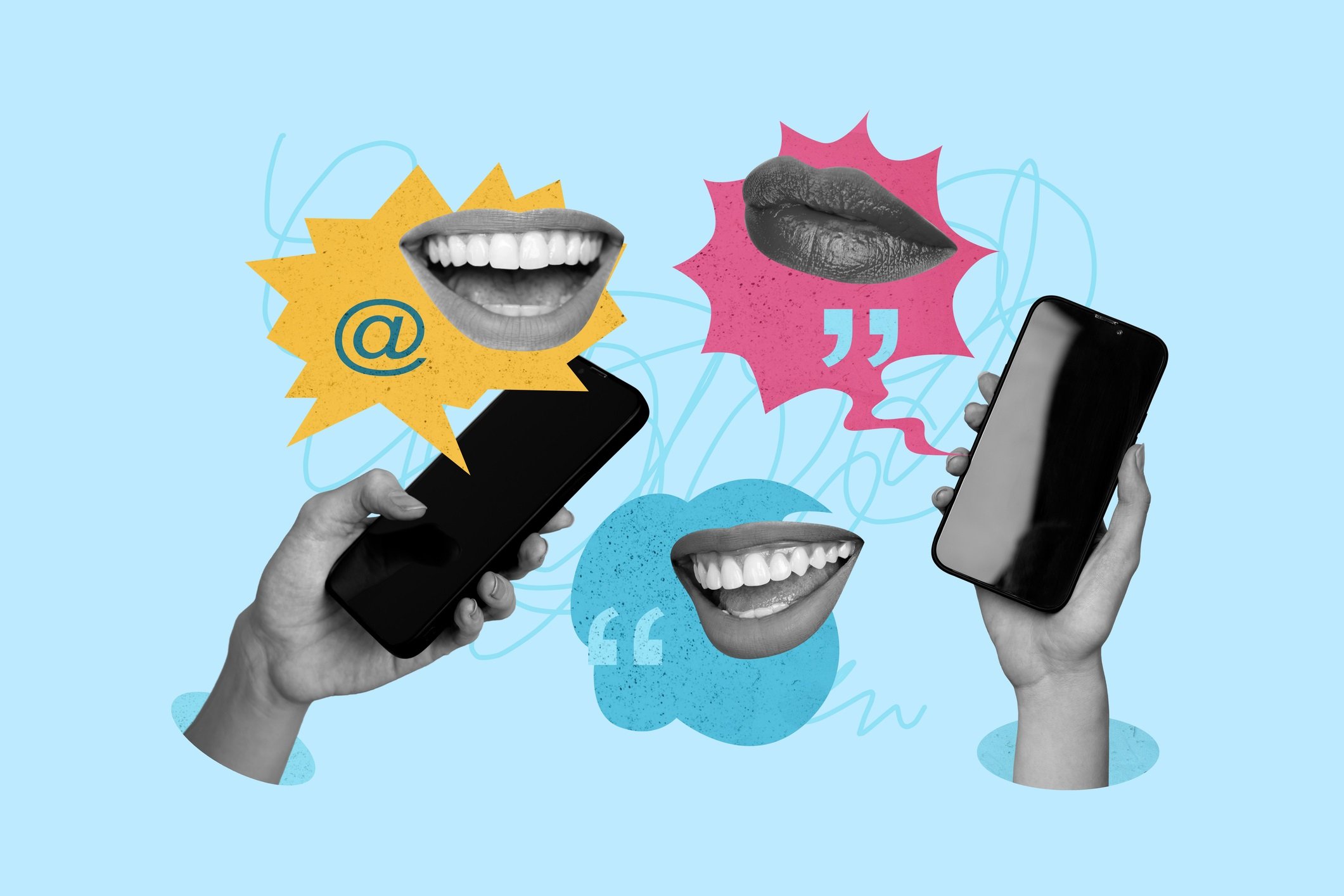
"Did you see this?" message sent to five friends.
The modern focus group is no longer sitting behind a one-way mirror. It's happening in a group chat your brand was never invited to.
And increasingly, it is influencing what people buy, watch, eat, wear, and trust.
For brands, this changes everything.
The New Customer Journey Happens in Private
Think about the last thing you purchased because someone recommended it.
Maybe it was:
A protein snack.
A new skincare product.
A television show.
A restaurant.
A toy for your kids.
A travel destination.
Chances are the recommendation came from:
A friend.
A family member.
A creator you trust.
A coworker.
A group chat.
An AI search.
According to Morning Consult, consumers increasingly trust recommendations from peers and creators more than traditional advertising.
People still discover products publicly.
They decide privately.
The Era of "Group Chat Content"
Some cultural moments become bigger than the actual content itself because people experience them together.
Take:
Love Island USA
Taylor Swift's Eras Tour
"Hear Me Out" cakes
"Who TF Did I Marry?"
The Stanley tumbler fire story
These moments spread because people texted them.
They sent clips.
They shared reactions.
They debated opinions.
The conversation became the content.
The same thing happens with brands.
The brands people talk about often outperform the brands that simply advertise.
What Actually Gets Shared?
People rarely text each other: "I saw this ad."
They send:
"Have you tried this?"
"This is so you."
"Everyone is talking about this."
"Did you see this article?"
"You need to read this."
The content that travels tends to be:
Surprising
Useful
Emotional
Funny
Polarizing
Interesting
Helpful
This is one reason earned media remains so powerful.
Media coverage creates social currency.
Earned Media Gives People Something to Talk About
When a product appears in a trusted publication, consumers feel more confident recommending it.
Examples include:
A feature in a major publication.
A founder interview.
A trend story.
A product review.
A television appearance.
Coverage gives people a reason to say: "I keep seeing this everywhere."
The Reuters Institute's Digital News Report continues to show the importance of trusted sources and credible information in shaping consumer perceptions.
Trust still matters.
People simply encounter it differently than they used to.
Pop Culture Works Because It Creates Conversation
Look at the biggest entertainment moments of the past few years.
Love Island USA is not simply a television show.
It is group-chat programming.
People watch together.
Debate contestants.
Share memes.
React in real time.
Taylor Swift's Eras Tour became much larger than concerts. It generated friendship bracelets, outfit planning, travel itineraries, TikToks, and endless text threads.
Even the "Hear Me Out" trend succeeded because people shared their opinions with friends.
The participation became the content.
Brands should ask: Would someone send this to a friend?
If the answer is no, it may still be marketing.
If the answer is yes, it becomes conversation.
The Best Campaigns Are Built for Sharing
Some campaigns succeed because they create participation.
Startr's work on Pop Secret's "Spill Everything" campaign embraced exactly this idea.
The campaign encouraged consumers to share secrets, opinions, and stories through the "Spill Everything" Hotline while tapping into nostalgia with actress Melissa Joan Hart.
The concept worked because it mirrored behavior that already exists.
People love to spill the tea.
They share opinions.
They talk.
They gossip.
The campaign gave consumers something to participate in, discuss, and send to friends.
The strongest campaigns today are often designed for conversation first and coverage second.
PR Has Entered the Group Chat
This is one reason public relations remains so valuable.
PR creates:
Stories worth sharing.
Data worth discussing.
Opinions worth debating.
Trends worth covering.
Experts worth quoting.
The best earned media often answers one question: Would someone text this to a friend?
Media relations has evolved from simply securing coverage to creating social currency.
AI and Group Chats Have More in Common Than You Think
Consumers increasingly ask AI:
What are the best protein snacks?
Which wellness brands should I trust?
What toy brands are worth buying?
What products are worth trying?
AI platforms rely heavily on:
Earned media.
Trusted publications.
Expert commentary.
Reviews.
Brand mentions.
Google's guidance around helpful content emphasizes expertise, authority, and trustworthiness.
The same signals that influence AI recommendations often influence group chats.
Trust.
Authority.
Credibility.
Visibility.
In many ways, AI behaves like the world's largest recommendation engine.
For more on this topic, read our article on PR and AI Search Visibility.
How Brands Can Win Private Conversations
Give People Something Worth Sharing
Surprising data.
Interesting opinions.
Strong points of view.
Useful information.
Invest in Earned Media
Coverage provides third-party validation.
Partner With Trusted Voices
Consumers trust recommendations.
Creators can introduce products in authentic ways.
Build Brand Lore
People remember stories.
They remember founders.
They remember missions.
They remember the "why."
Brand storytelling remains one of the most powerful business tools available.
Key Takeaways
The modern focus group lives in the group chat.
Consumers trust recommendations more than advertisements.
Earned media creates social currency.
PR gives people something worth sharing.
AI and private recommendations rely on many of the same trust signals.
Brands that enter conversations often enter consideration.
Frequently Asked Questions
Why are group chats important for brands?
Private conversations increasingly influence purchasing decisions and recommendations.
How does PR support word of mouth?
Earned media creates credibility and gives consumers stories worth sharing.
What makes a brand shareable?
Strong opinions, useful information, surprising insights, and compelling stories.
How does AI relate to PR?
AI systems rely on many of the same trust signals that influence consumers, including authority, credibility, and earned media.
The Bottom Line
The brands winning today are not simply capturing attention.
They are entering conversations.
Those conversations happen in text threads, DMs, group chats, Slack channels, and increasingly, AI searches.
Founded in 2016 and headquartered in Los Angeles and New York City, Startr Co. is a strategic communications agency that specializes in scaling next-generation brands. With big-brand experience and deep industry connections, the agency's approach is collaborative, transparent, and grounded in where a client's business is today, so it can lead and shape tomorrow. Over the past decade, Startr Co. has partnered with innovative and recognizable brands including Seven Sundays, GHOST, Our Home (Popchips, Pop Secret, Good Health), GOODLES, SmartSweets, Solely, Walker's Shortbread, La Terra Fina, Learning Resources Brands (Learning Resources, Educational Insights, hand2mind, Brightkins), Fera Pets, Flame Broiler, The Little Gym, and Flight Adventure Park, delivering campaigns that combine creativity, strategy, and measurable impact.